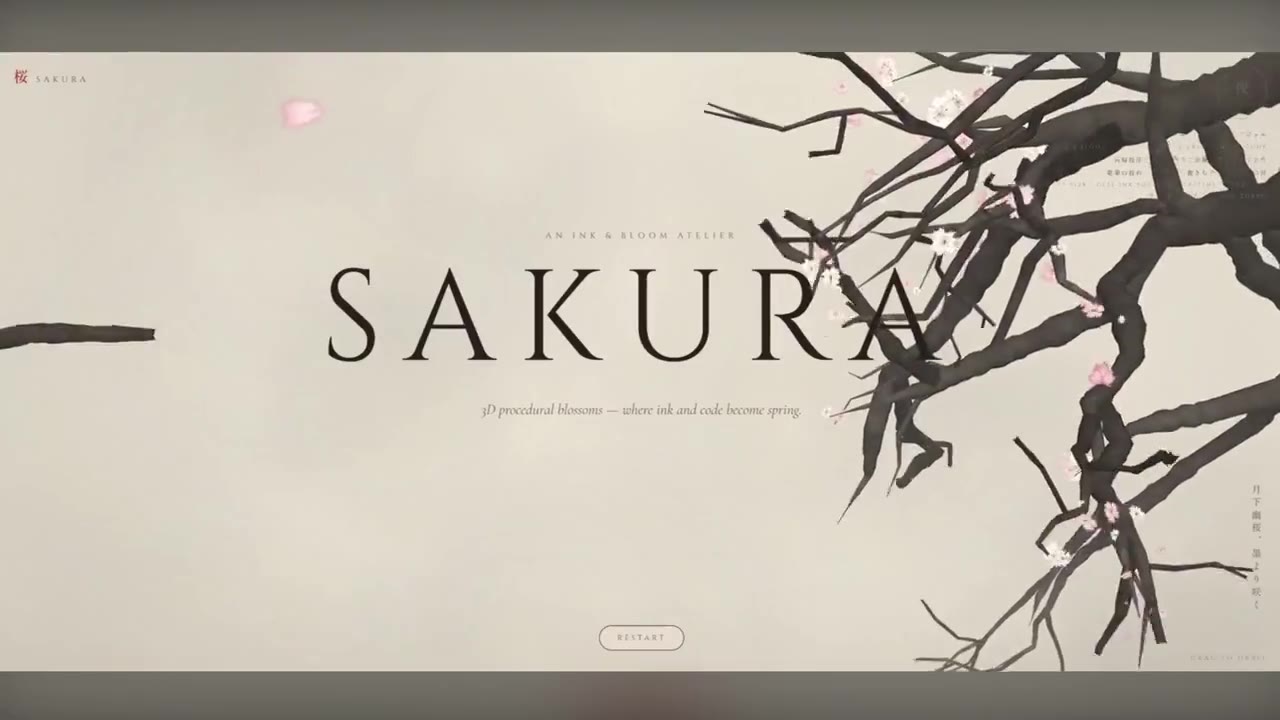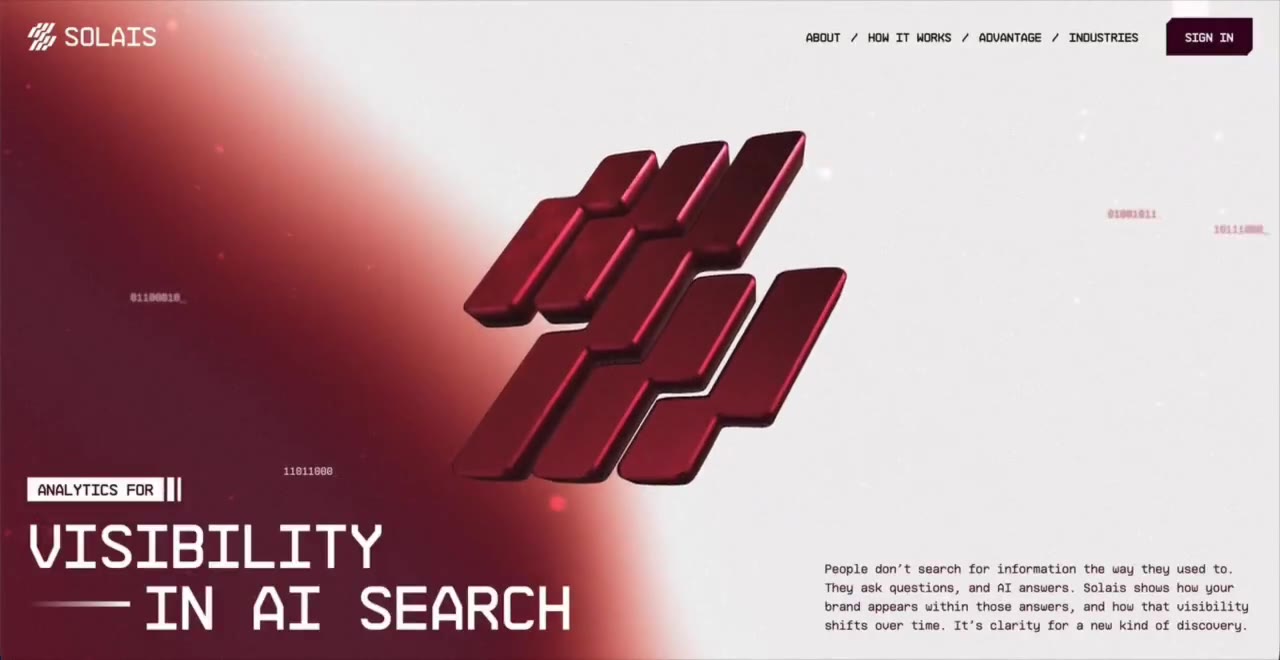

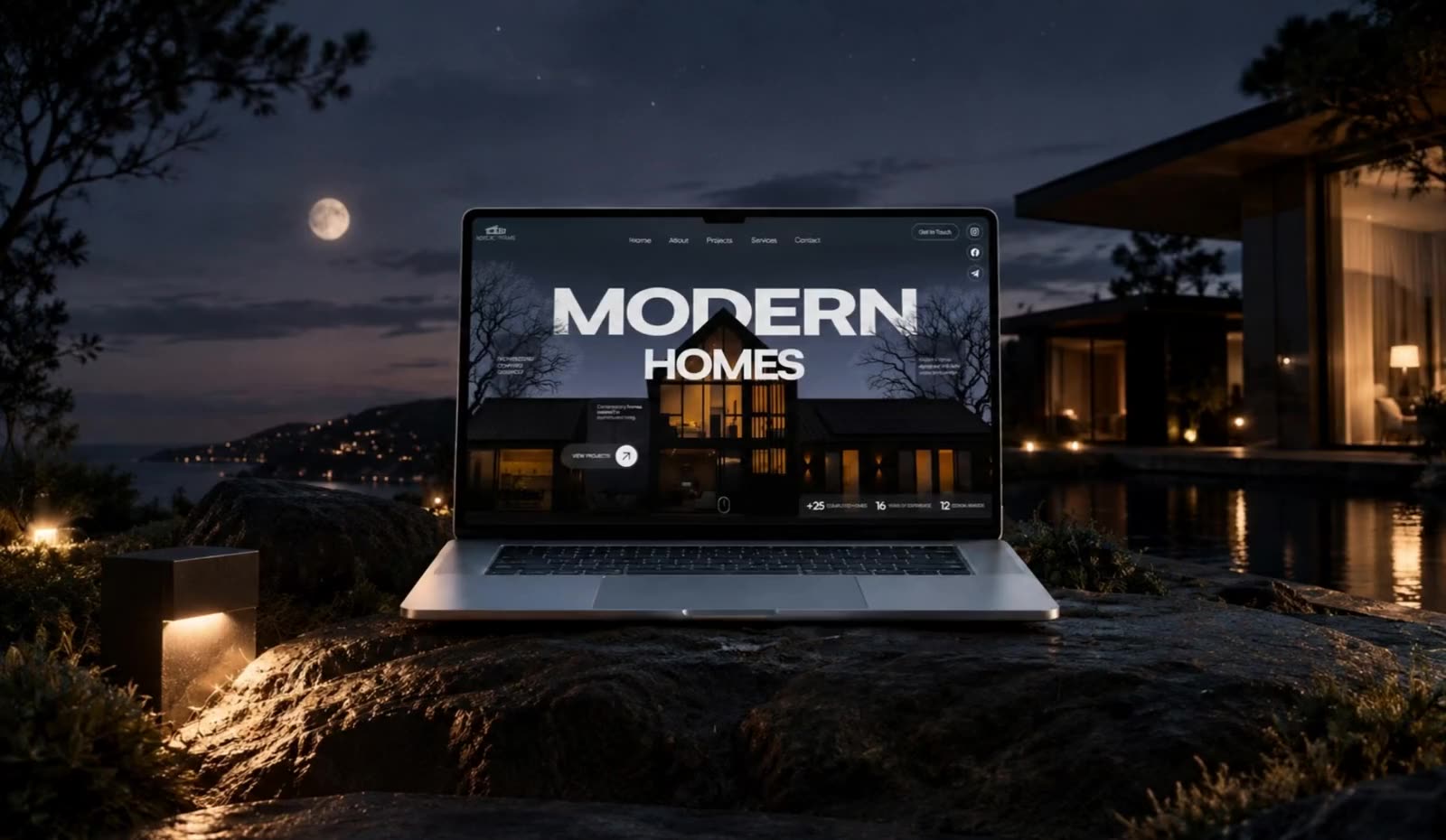
A website from a design studio usually costs from $1,000 for a small site to tens of thousands for a large platform with 3D, motion and several languages. In my studio, projects start from $1,000. The price depends less on the number of pages than on how many decisions have to be made, and who makes them.
Send the same brief to three studios and you can easily get $400, $1,800 and $9,000 back. None of them is lying. They're quoting three different things under the same word: "website".
What you're actually paying for
Who designs it. A student, a freelancer, a studio where several designers look at every screen. You don't see this in the quote, and it's the biggest part of the price. In my studio every design is looked at by 3 to 5 people before the client sees it: a second designer, sometimes a third, and people with no design background at all. I ask them what they feel and how much they think this business charges. That's where most mistakes get caught.
How many decisions there are. A five-page site for a café and a five-page site for a developer selling villas to foreigners have the same page count. The second one has twice as many questions to answer: trust, payment steps, location, legal details.
Words. If you bring ready texts, the price is lower. If the studio writes them, it goes up, and usually it should. Most websites lose people because of the words, not the colors.
Motion, 3D and interactive. A product you can rotate or a scene that moves with scroll takes days of work, not hours. It's worth it when it shows something photos can't. It's a waste when it's decoration.
Languages and markets. Every extra language is new texts, new checks and sometimes a new layout, because German is longer than English and Arabic reads right to left.
Development. Some studios quote design only, some quote design and code. Ask which one you're looking at.
Why a $500 site and a $5,000 site look the same in a screenshot
Put two homepages side by side and most people can't tell which one cost ten times more. Your clients feel the difference anyway. They can't explain it, they just stay longer on one and leave the other.
The difference is in the parts a screenshot doesn't show: what happens on a phone, what the form says when something goes wrong, whether the button leads where people expect, whether the page loads before they lose patience. Nielsen Norman Group found that people often decide in the first 10 to 20 seconds whether a page is worth their time. Cheap sites are usually designed for the screenshot. Expensive ones are designed for those seconds. More on that in What makes a website look expensive?
How I price a project
I used to do it backwards: name a number I thought the client would accept, then look for a designer who'd work for that. The work showed it.
Now I start from the best designers I know. I ask them what the project would cost, and I add my margin for the team, the process and the responsibility for the result. That's the lowest number I quote. If it doesn't fit your budget, I'd rather cut the scope than the quality: fewer pages first, the rest later.
How to compare quotes
- Ask who exactly will design your site, by name.
- Ask how many concepts you'll see and how many rounds of changes are included.
- Ask if texts, photos and development are included.
- Ask for one finished project in a similar situation, not in the same niche.
- Ask what happens after launch if something breaks.
If two quotes give the same answers to all five, the cheaper one wins. They rarely do. For the full list of questions, see How to choose a web design studio.
FAQ
How much does a simple website cost?
In my studio, from $1,000. A simple site is a few pages with one clear action, for example a booking or an enquiry.
Why do studios ask for a deposit?
Because work starts right away. In my studio the first concept is ready the day after the deposit.
Can I start small and add pages later?
Yes, and it's often the smartest way. Launch the pages that bring money first.
How many revisions are included?
We include two rounds. After that, revisions are paid, and we say it at the start, not on round five.