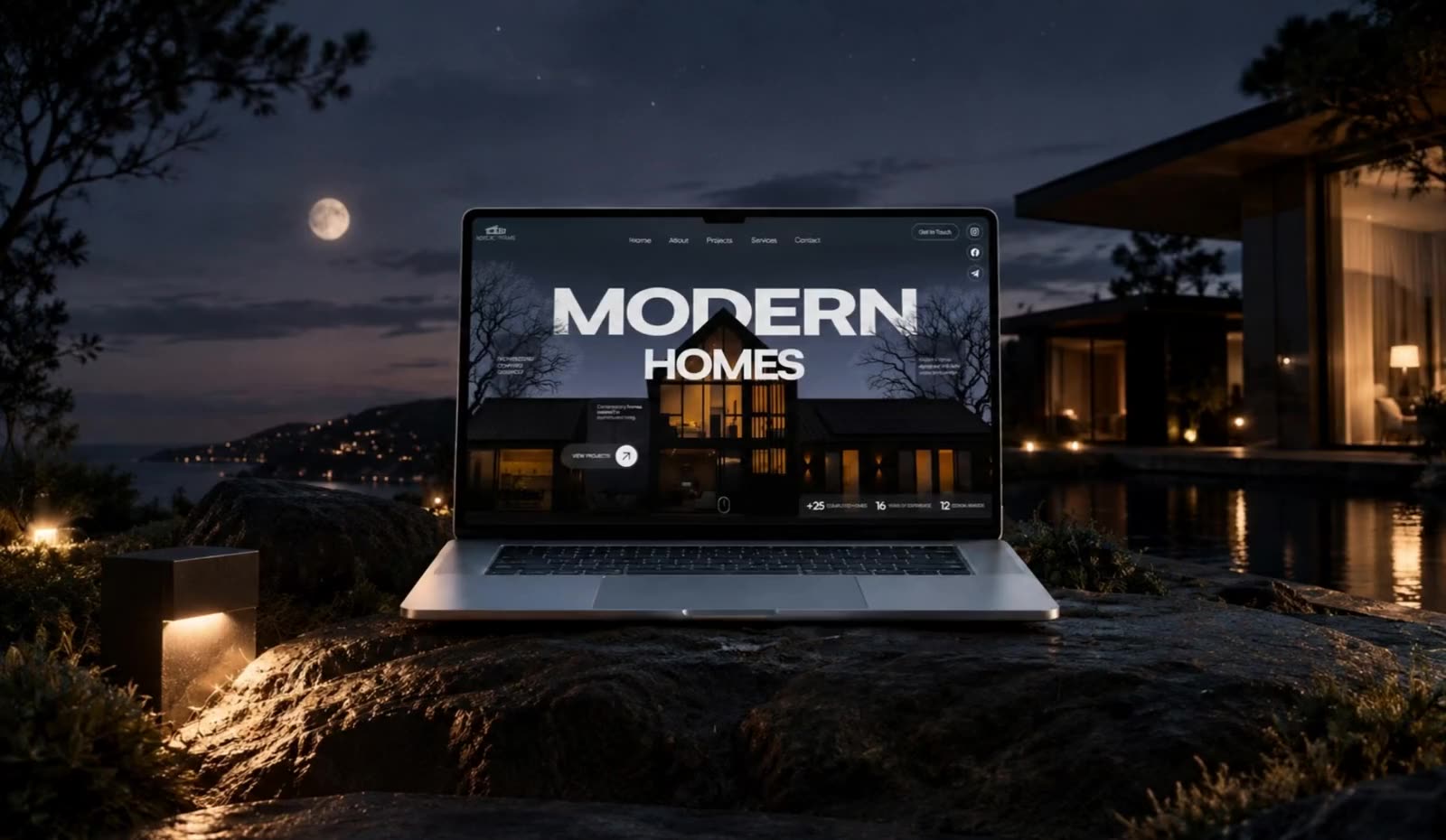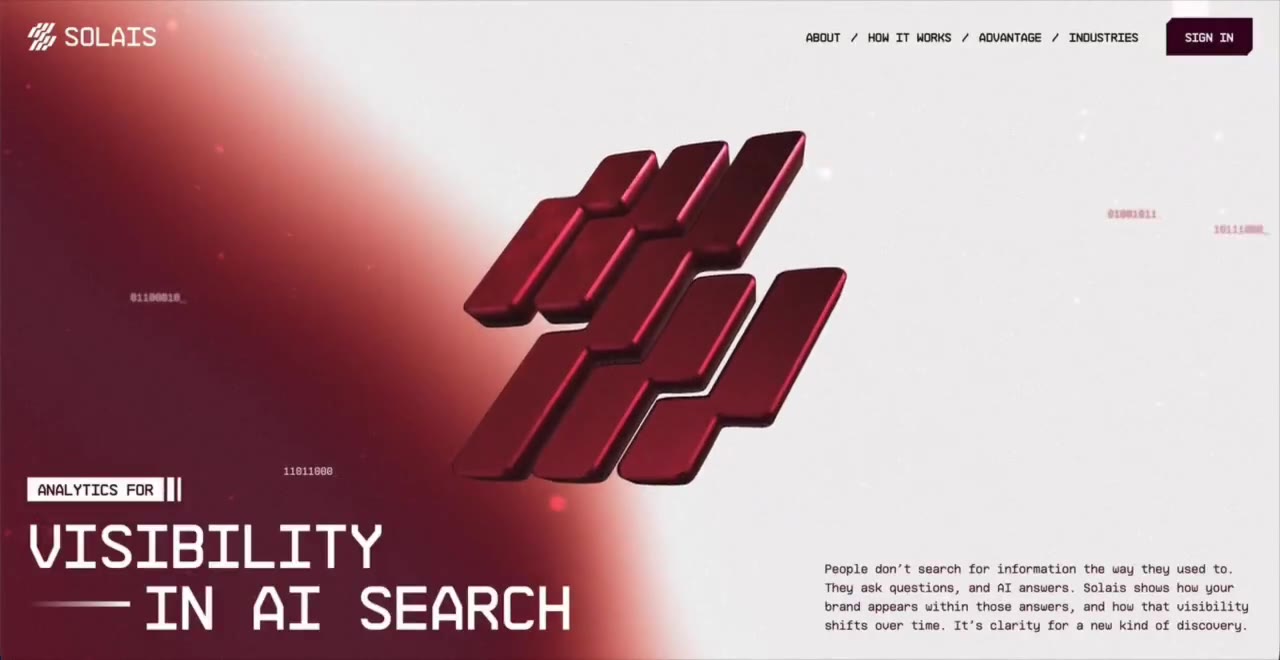

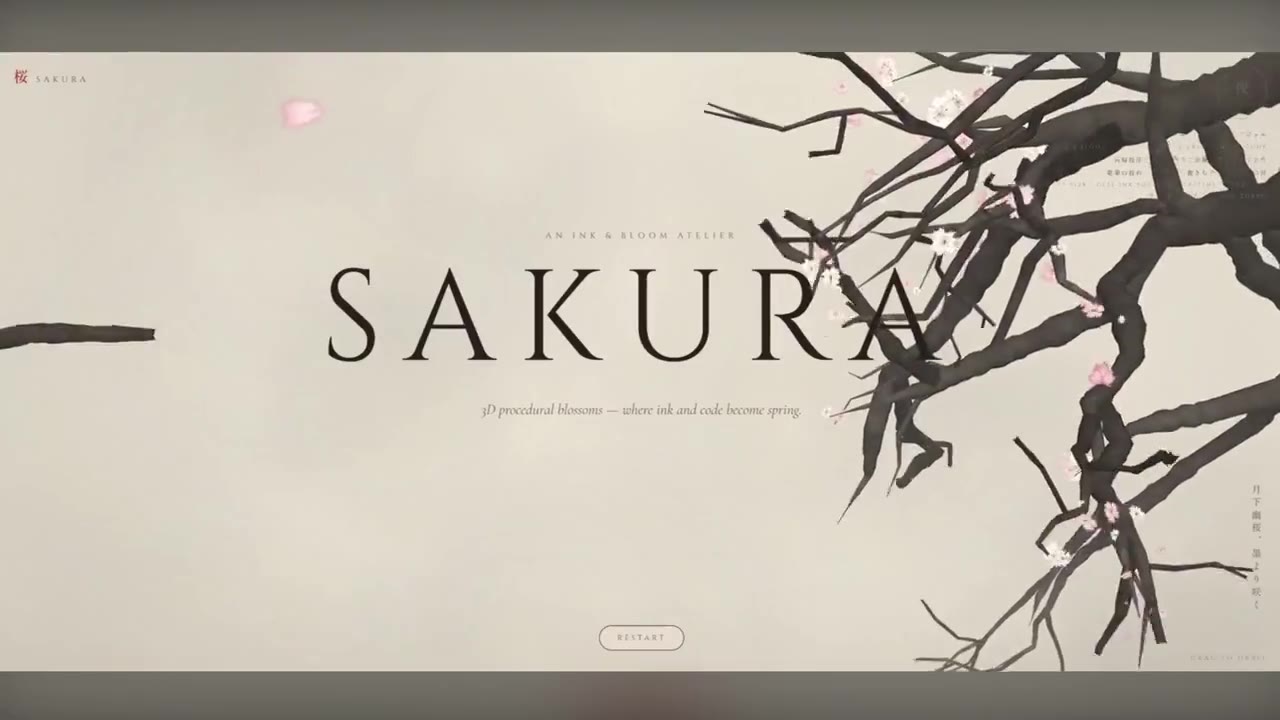
The best web design studios in the world are known for one thing first: they make decisions most businesses are afraid to make. This isn't a ranking. It's a list of studios whose work I study, and what each of them can teach you about your own website.
We looked at 77 studios this year, from Awwwards winners to brand agencies and product studios, and read more than 7,500 article titles from their blogs. The most surprising part: many of the most awarded studios don't have a blog at all. They only publish their work. Every project gets its own page, and that page is the argument.
Pentagram
A design firm founded in London in 1972, owned by its partners, with offices in several countries. Each partner leads their own team, so there's no single "Pentagram style".
What to take from it: the idea comes before the style. Their best work can be explained in one sentence. If you can't explain your website in one sentence, the design won't fix it.
Locomotive
A Montreal studio and one of the most awarded on Awwwards. Their sites move, react to scroll and feel physical, and they still load fast and stay readable.
What to take from it: motion has a job. Every animation on a good site either shows the product, guides the eye to the next step, or makes the brand feel like itself. If it does none of those, it's noise.
Active Theory
A Los Angeles studio known for interactive and 3D experiences in the browser, the kind of thing people share because they've never seen it before.
What to take from it: 3D is worth it when it shows something photos can't. A product you can rotate, a building before it's built, a space you can walk through. As decoration, it just slows the page down.
IDEO
A design company from Palo Alto, best known for making "design thinking" a common business term.
What to take from it: they start from people, not from screens. Before any website, ask your last ten clients what almost stopped them from buying. Their answers are your first screen.
Metalab
A product design studio from Vancouver, known for interfaces that millions of people use every day.
What to take from it: clear beats clever. In a product people use daily, a confusing button costs thousands of lost minutes. On a small website it costs you clients, you just don't see it.
Koto
A brand studio from London that publishes short, sharp opinions instead of long guides, for example that rebrands get judged in seconds.
What to take from it: your brand is judged before anyone reads a word. Colors, type and photos decide whether people trust you. Text only confirms it.
Cuberto
An award-winning interactive studio that does two things at once: experimental, playful websites, and plain, useful articles for clients about price and timelines.
What to take from it: you can be impressive and clear at the same time. Most businesses pick one.
What they all have in common
- They say no. No to the extra section, the fifth font, the effect that looks cool but means nothing.
- Their photos are real. Real products, real spaces, real people.
- They show their work, not their adjectives. You won't find "passionate team" on their sites. You'll find projects.
- Every site feels like it could only belong to that client. Change the logo, and it stops making sense.
How to use this list
You don't need a Pentagram budget to use Pentagram's thinking. Pick one studio from this list, open three of their projects, and look at your own website right after. The gap you feel is your brief. Then check it against this year's trends and what makes a website look expensive.
FAQ
Who is the best web design studio in the world?
There isn't one answer. It depends on what you need: brand (Pentagram, Koto), interactive and 3D (Locomotive, Active Theory, Cuberto) or digital products (Metalab, IDEO).
Can a small business work with a top studio?
Large studios usually work with large budgets. A smaller studio that thinks the same way is often the better fit.
Are Awwwards winners good for business?
Some are, some are experiments. Look for award-winning sites that also make the next step obvious.